


Introduction to SEO Benefits of Responsive Web Design

Introduction to SEO Benefits of Responsive Web Design
In the ever-evolving digital landscape, the importance of responsive web design (RWD) cannot be overstated. As more people use their mobile devices to browse the internet, websites must adapt to this changing behavior to stay competitive and relevant. This is where responsive web design comes into play, ensuring that websites provide an optimal viewing experience across a myriad of devices, from desktop computers to smartphones.
But responsive design is not just about aesthetics and user convenience; it has profound implications for search engine optimization (SEO). A well-implemented responsive design can significantly boost a site's visibility in search engine results, drawing in more traffic and potentially increasing conversion rates. In this blog post, we'll explore the myriad ways in which responsive web design benefits SEO, from improved user experience to faster page load times, and how it can be a game-changer for your online presence.
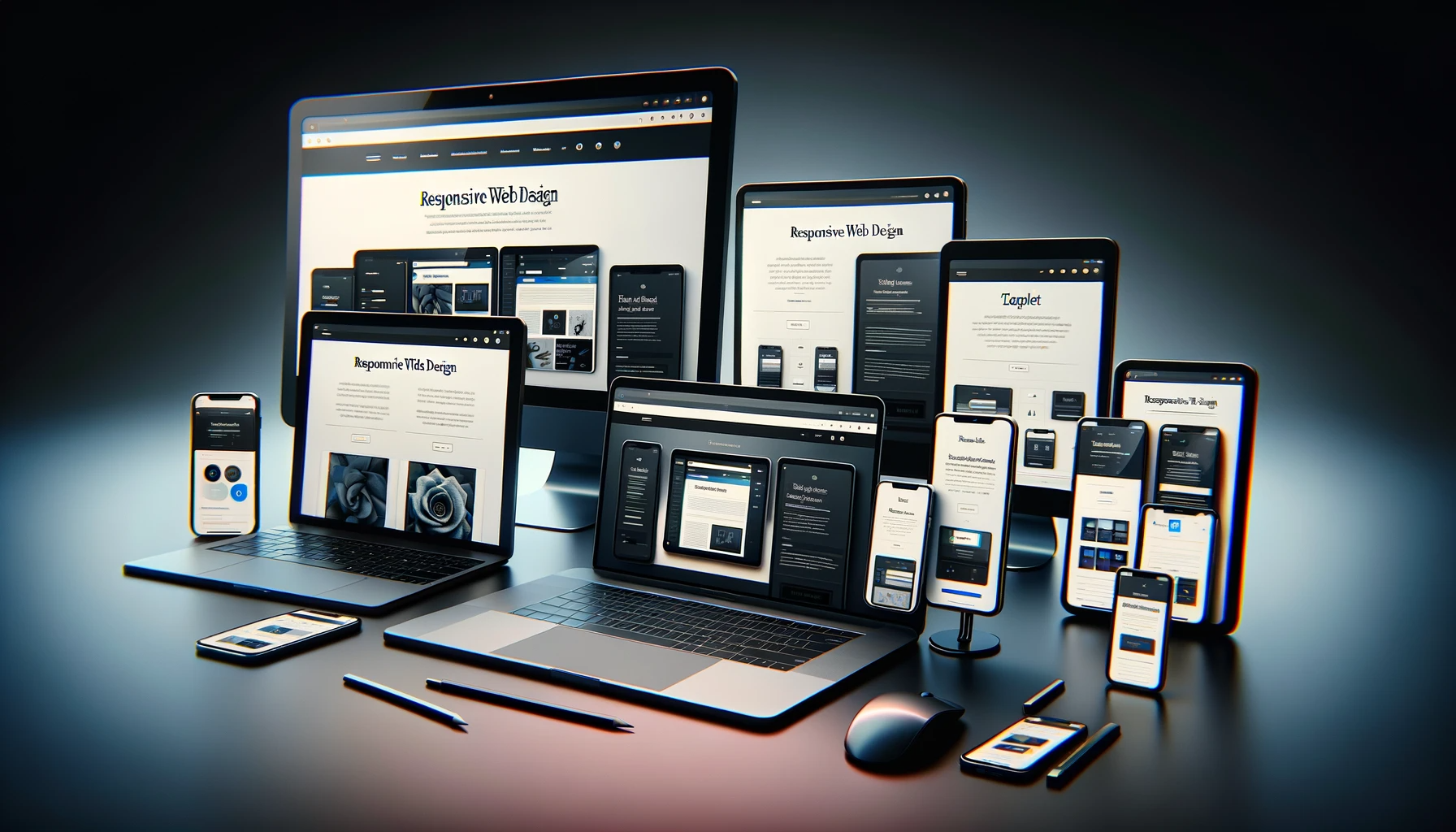
What is Responsive Web Design?
Responsive Web Design (RWD) is a web development approach that creates dynamic changes to the appearance of a website, depending on the screen size and orientation of the device being used to view it. At its core, RWD aims to deliver web pages that detect the visitor’s screen size and orientation and change the layout accordingly. This adaptability means that regardless of whether a user is on a desktop, tablet, or smartphone, the website will automatically adjust its layout, images, and functionalities to deliver a seamless and consistent experience.
This approach is crucial in a world where the variety of screen sizes and resolutions used to access websites is more diverse than ever. With RWD, a single version of the website can work efficiently across different devices. This eliminates the need for different design and development phases for each new gadget on the market, making RWD not only a user-friendly solution but also a cost-effective one for website owners.
But why is responsive design so important for SEO? Search engines like Google prioritize user experience as a key ranking factor. A responsive website inherently improves user experience by providing a flexible and accessible layout regardless of the device used. This leads to better engagement, lower bounce rates, and, ultimately, a higher ranking in search engine results pages. In the next sections, we'll delve deeper into these SEO benefits and how they contribute to the success of your online presence.
SEO Advantages of Responsive Web Design
One of the most significant benefits of responsive web design is its impact on search engine optimization (SEO). A responsive website is not just a convenience for users; it’s a critical element in a comprehensive SEO strategy. Here’s why:
Google's Mobile-First Indexing:
- In recent years, Google has shifted to mobile-first indexing. This means the mobile version of your website becomes the primary version for indexing and ranking.
- A responsive site ensures that both mobile and desktop versions are identical, which is crucial for maintaining consistent search engine ranking across all devices.
Improved User Experience:
- User experience is a key factor in SEO. Responsive design enhances the browsing experience by providing a consistent and accessible interface on any device.
- A positive user experience leads to longer visit durations, lower bounce rates, and increased engagement, all of which send positive signals to search engines, potentially boosting your site's rankings.
Faster Page Load Times:
- Page load speed is another critical factor in SEO. Responsive websites often load faster, especially on mobile devices, which is vital since slow-loading sites can drive visitors away.
- Faster loading times not only improve user experience but also contribute positively to your website’s SEO performance.
By implementing responsive web design, you align your website with the best practices recommended by search engines, thus enhancing your chances of ranking higher in search results. Next we will explore how responsive design specifically enhances user experience and its direct correlation with SEO.

Enhancing User Experience through Responsive Design
Responsive web design significantly enhances user experience (UX), which is a vital component of SEO. A website that adapts smoothly to various screen sizes ensures that users have a positive interaction with your site, regardless of their device. This adaptability is key in an era where the variety of devices and screen sizes is continually expanding.
Seamless Navigation and Readability:
- On a responsive site, content, images, and menus adjust to fit the device’s screen size, making it easier for users to navigate and read information without excessive zooming or scrolling.
- This seamless navigation keeps users engaged and encourages them to explore more pages on your site, a factor that search engines interpret as a positive user experience.
Consistency Across Devices:
- Consistency in design and functionality across all devices is another crucial aspect of UX. Responsive design ensures that users have a similar experience, whether they access your site from a desktop, tablet, or smartphone.
- This consistency helps in building trust and brand recognition among your audience.
Reducing Bounce Rates:
- A responsive website can significantly reduce bounce rates. When users find a website easy to navigate and the content readable on their device, they are more likely to stay longer and explore different pages.
- Lower bounce rates signal to search engines that your website is providing valuable content and a good user experience, which can positively impact your SEO rankings.
By focusing on responsive design, you not only cater to your users’ needs but also align with search engines’ goal of providing the best user experience. This alignment naturally boosts your website's visibility in search engine results.
Responsive Design, Page Speed, and Bounce Rates
The relationship between responsive web design, page speed, and bounce rates is crucial in understanding its SEO benefits. A responsive design not only adapts to different screen sizes but also plays a significant role in the loading speed of web pages, which in turn affects the bounce rates.
Page Speed and Responsive Design:
- Responsive websites are optimized for faster loading across all devices. This is especially important for mobile users, who often experience slower load times due to less powerful hardware or slower internet connections.
- Fast-loading pages enhance the user experience, keeping visitors engaged and less likely to leave the site prematurely.
Reducing Bounce Rates:
- Bounce rate, the percentage of visitors who leave a site after viewing only one page, is a key metric in SEO. A high bounce rate often indicates poor user experience.
- Responsive design contributes to lower bounce rates by providing an optimized browsing experience. Users are more likely to stay and interact with a site that loads quickly and displays content properly on their device.
Impact on SEO:
- Search engines, like Google, use page speed and bounce rates as factors in their ranking algorithms. Websites that load quickly and keep users engaged with low bounce rates are likely to rank higher in search results.
- By improving these aspects, responsive design directly contributes to better SEO performance, enhancing your site's visibility and attracting more organic traffic.
Responsive web design is more than just a technical solution; it's an essential component of a user-friendly website that performs well in search engines. It ensures that your website not only looks good but also functions optimally, no matter what device your audience uses.
Conclusion
In conclusion, the integration of responsive web design is not merely a trend but a fundamental aspect of modern web development that significantly impacts SEO. By ensuring your website is responsive, you cater to a growing mobile audience, enhance user experience, improve page load times, and lower bounce rates. These factors contribute immensely to your website's search engine ranking, making responsive design an indispensable tool in your SEO strategy. Remember, in the digital age, a website that adapts gracefully to all devices is key to online success.